
A motorcycle that starts right, rides right!
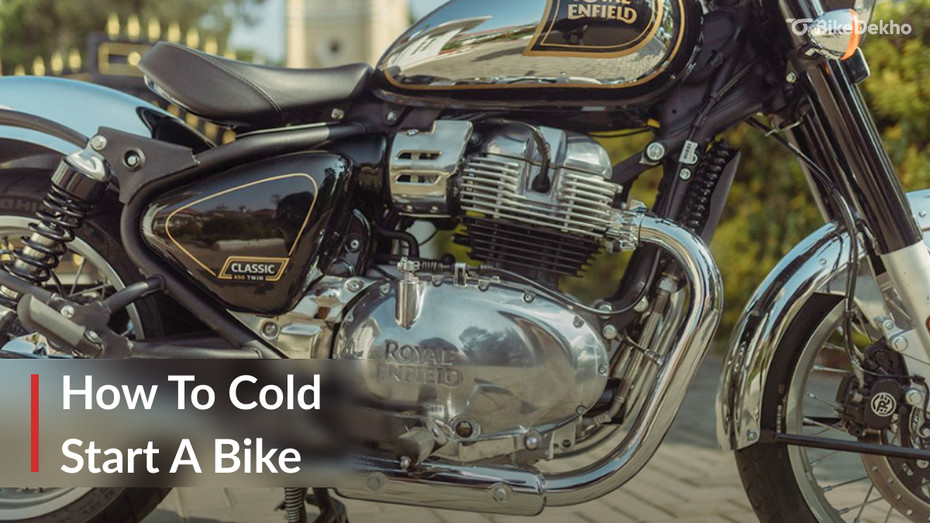
Cold mornings have a way of reminding you who’s really in charge — you or the motorcycle. You thumb the starter, the engine turns over half-heartedly, and suddenly the whole neighbourhood knows you’re struggling. Most riders go through this the moment the temperature drops — it’s simply harder for the engine to wake up when the oil is thicker, the fuel doesn’t atomise well, and the battery isn’t at its strongest. But a stubborn cold start isn’t some mystery problem. We’ll break down the small, practical things that actually help your bike wake up properly, so even on those stubborn winter mornings, it settles into a smooth idle without giving you a fight.
1. Understand the heart of the problem: battery & oil
Cold weather reduces a battery’s cranking power and makes engine oil thicker. If your battery voltage (key off) is below about 12.4–12.5 volts, it’s already weak and will struggle on cold starts; keep terminals clean and tight and use a trickle/maintenance charger if the bike sits often. Use an oil viscosity recommended by your owner’s manual.
2. Carburettor vs fuel injection — start differently
Old school carburetted bikes usually need the choke because the engine needs a richer mix to start cold. Engage the choke, allow fuel to flow into the float bowl (open the petcock if fitted), then kick or press the starter — don’t blip the throttle wildly. Don’t keep the choke on once the engine settles — that floods and fouls plugs. Fuel-injected (FI) bikes manage mixture automatically; heavy use of the throttle or fiddling during start is unnecessary and can cause stalls — for FI models, short cranks and a gentle ride-off are the right moves. When in doubt, follow the owner’s manual starting sequence for your model.
3. Starter strategy: short bursts, patience, then go
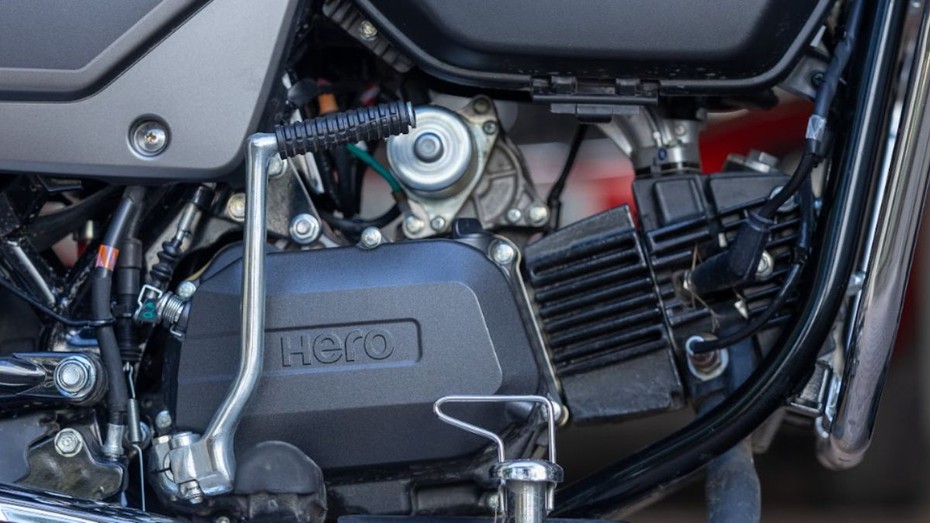
Whether electric or kick, avoid long continuous cranking. If your manual advises it, use the kickstart for the very first spins in the morning — it avoids heavy current draw and conserves battery health. Some manufacturers explicitly recommend minimizing the use of the electric starter during cold starts to prevent deep battery drain; the manual is your best friend here. If you must use the electric starter, short bursts are better than long continuous cranking — give the battery a few seconds to recover between attempts.
4. Warm it up — correctly
Let the engine idle for a short spell (roughly 30–90 seconds) so oil circulates and the throttle response smooths out. For carb bikes, ease off the choke gradually as the engine warms; for FI bikes, avoid high revs — gentle riding until the temperature needle/indicator settles is best. Avoid revving a cold engine hard: it raises internal stresses and increases wear. Modern engines don’t need long idling — a short warm up followed by easy riding is usually the most practical approach.
5. Fuel, plugs, and air — keep them honest
Adulterated fuel makes cold starts worse. Fill up at trusted pumps and keep your tank reasonably topped up during cold months (less airspace = less condensation inside the tank). If your bike sits for long periods, consider draining the carb float bowl or using a fuel stabiliser. Worn or fouled spark plugs, clogged air filters, and dirty idle jets are classic culprits when a bike refuses to settle after a cold start — if starting problems persist, have a service check the plugs, airbox and the fuel delivery system. Regular servicing prevents morning misery.
6. Storage & daily habits that keep cold starts easy
Parking under a shade or even a simple cover keeps off the dew and temperature swings that invite moisture into electrical connectors. And if you know the bike won’t move for a couple of weeks, disconnect the battery and store it indoors. A short spin every day won’t do much, but a proper 15–20km ride every now and then gives the charging system enough time to replenish the battery and keep it in good shape.
7. Quick troubleshooting (if it won’t start)
• Cranks slowly: battery low — check voltage and terminals.
• Fires then die: likely flooded carb (choke stuck) or weak fuel delivery — let it dry and try again.
• Starts fine but stumbles: check spark plug condition and air filter.
8. Morning checklist:
• Battery terminals clean & snug; voltage ≥ ~12.5 V.
• Right oil viscosity for your climate (check manual).
• Carb bikes: choke on, allow fuel, start; ease choke off as it warms.
• FI bikes: short cranks, then ride gently.
• If multiple attempts fail, stop and check battery/plugs/fuel.
Cold starts are not a mystery — they’re basic physics and a sensible routine. Keep the battery healthy, use the right oil, treat carb and FI systems differently, warm up briefly and ride gently until everything settles. Do that, and winter mornings stop being a gamble: you’ll start cleaner, ride smoother, and arrive with less drama.