
Samsung is gearing up to introduce its 2nm-based flagship chipset, the Exynos 2600, and early benchmarks suggest it can go head-to-head with Qualcomm’s Snapdragon 8 Elite Gen 5. But if history is anything to go by, it’s wise not to read too much into early numbers from an unreleased Exynos chip. Samsung is rumored to be planning the S26 and S26+ with this in-house silicon in most regions, which has understandably disappointed fans who were hoping for a global Snapdragon rollout.
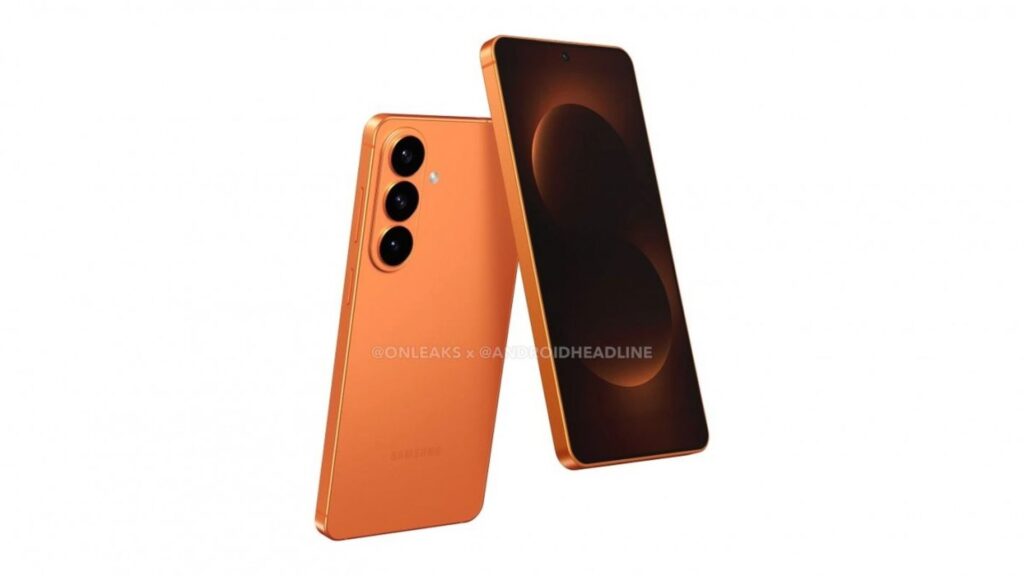
However, there might still be a silver lining. According to a recent report from Wccftech, the Exynos 2600 will only be used in the Korean versions of the Galaxy S26 and S26+. Most global markets are once again expected to receive Snapdragon-powered units. That either shows Samsung still lacks confidence in pushing Exynos internationally or suggests the current production yield on Samsung’s 2nm node isn’t yet high enough to keep up with global demand.
A deeper look from South Korea’s CTT Research highlights several long-standing challenges: overheating during extended workloads, kernel-level security concerns, and lower manufacturing yields. These issues have shaped consumer sentiment for years, with Snapdragon variants consistently seen as the safer bet for performance and stability.
Of course, Samsung is trying hard to change that narrative. The Exynos 2600 reportedly uses a new “Heat Pass Block” structure to improve thermal performance — potentially reducing temperatures by as much as 30%. The chip also continues leveraging Fan-Out Wafer Level Packaging (FOWLP) to boost efficiency. Meanwhile, yield rates for the 2nm GAA process have reportedly improved to around 50%, a meaningful step up from the previous generation.
But beyond technical hurdles, there’s a major business complication too: Samsung is tied to a multi-year agreement requiring roughly 75% of Galaxy S flagships to ship with Snapdragon chips. Expanding Exynos too aggressively could trigger expensive penalties, making any global scale-up a risky move.
So for now, customers in South Korea will be the first to experience Samsung’s newest silicon effort, while buyers elsewhere can set aside concerns over heating or performance variance.
Don’t miss a thing! Join our Telegram community for instant updates and grab our free daily newsletter for the best tech stories!
For more daily updates, please visit our News Section.
(Source)